How to Calculate Calorie Intake for Muscle Gain (Bulking Guide)

Building muscle is not just about what you do in the gym. It is also about what you do in the kitchen. You can follow the perfect training program, but if you are not eating enough, your body simply does not have the raw materials to build new muscle tissue. To gain muscle, you need a calorie surplus — meaning you eat more calories than your body burns each day.
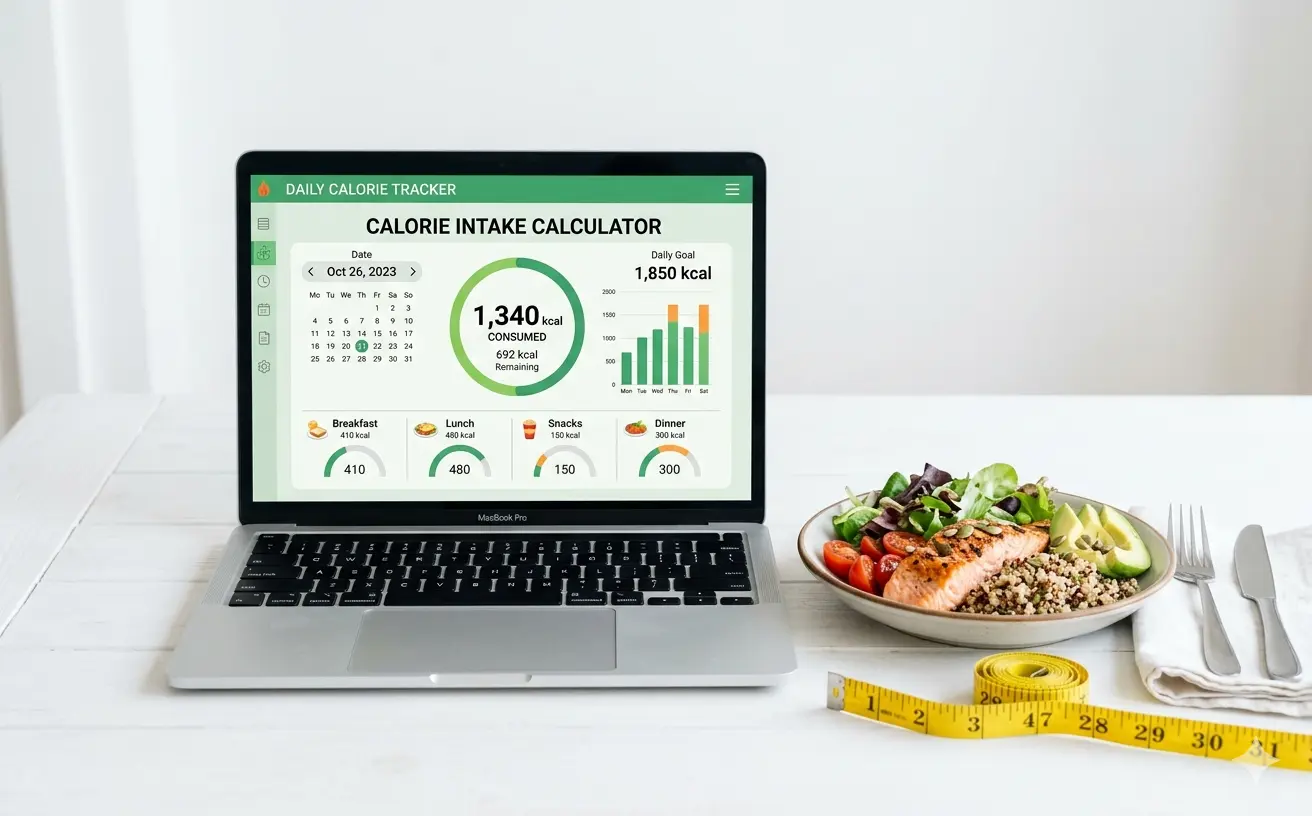
The question is: how much more? Eat too little, and you spin your wheels. Eat too much, and you gain unnecessary body fat alongside the muscle. A calorie intake calculator for muscle gain takes the guesswork out of this equation. Our free calorie intake calculator finds your maintenance calories in seconds, so you know exactly where to start and how much to add for lean muscle growth.
What Is a Calorie Surplus and Why Do You Need It?
A calorie surplus means you consume more calories than your body burns in a day. Your body uses those extra calories as energy to build new muscle tissue — a process called muscle protein synthesis. Without a surplus, your body does not have the extra fuel required for growth. It is like trying to build a house without enough bricks.
This is the opposite of a calorie deficit, which is used for weight loss. In a deficit, your body turns to stored fat for energy. In a surplus, your body uses the extra energy from food to repair and build muscle fibers that were broken down during training. For a complete comparison of how these two approaches differ, read our guide on calorie calculator for weight loss to understand the full picture.
How to Calculate Your Calorie Intake for Muscle Gain
Follow these four steps to find your ideal bulking calorie target:
- Calculate your maintenance calories (TDEE): Enter your weight in kilograms, height in centimeters, age, and gender into the calculator. If you know pounds, divide by 2.2. For inches, multiply by 2.54. Select your activity level from the dropdown menu, which ranges from Sedentary to Super Active.
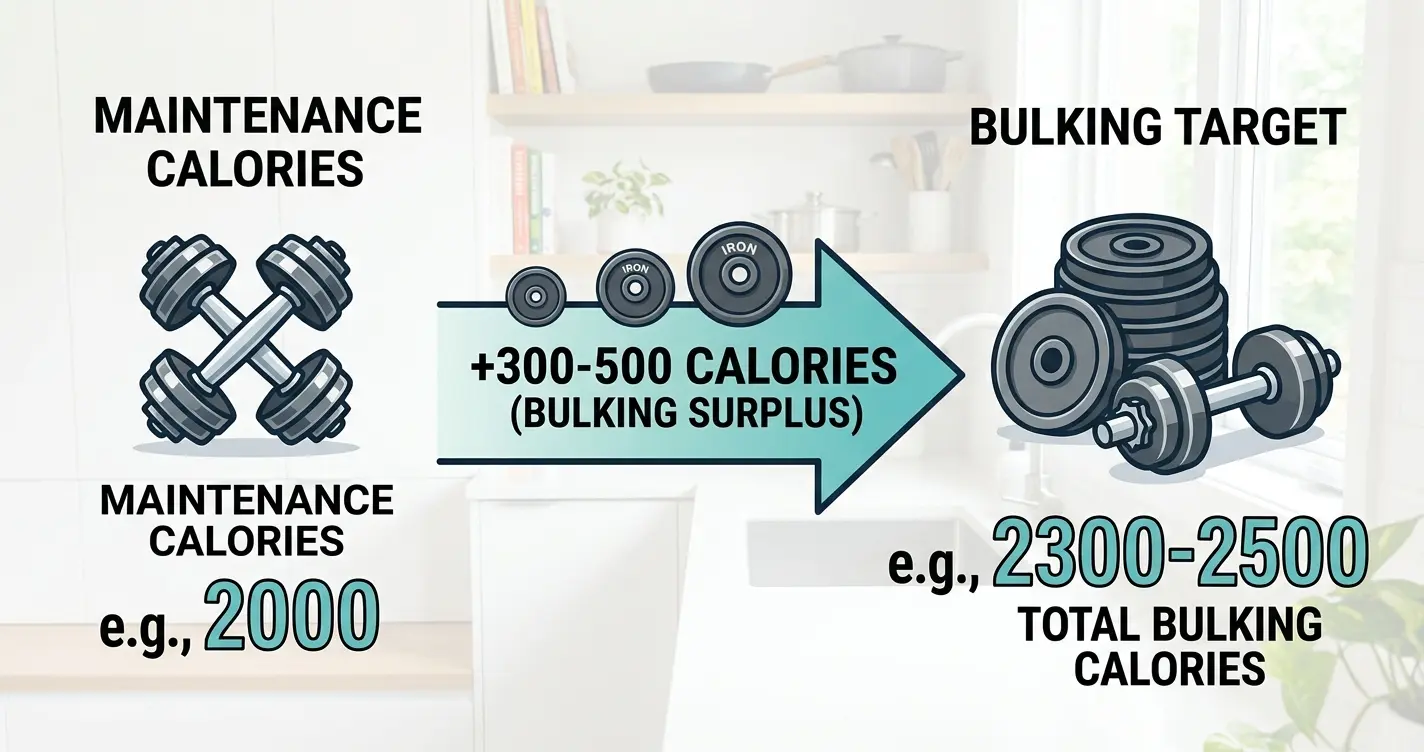
- Add your surplus: Once you have your maintenance number, add 300 to 500 calories. This is your daily bulking target. A 300-calorie surplus is ideal for minimizing fat gain. A 500-calorie surplus produces faster muscle growth but may also add some body fat.
- Hit your protein target: Calories provide the energy, but protein provides the building blocks. Aim for 1.6 to 2.2 grams of protein per kilogram of body weight per day. Use our daily protein intake calculator to find your exact target.
- Track and adjust: Weigh yourself once a week. If you are gaining 0.25 to 0.5 kilograms per week, you are in the sweet spot. If you are gaining faster, reduce your surplus slightly. If the scale is not moving, add another 100 to 200 calories.
Real Example: Bulking Calorie Calculation
Let us walk through a real example. Consider a 25-year-old man who weighs 70 kg, stands 175 cm tall, and trains four times per week with moderate intensity:
📊 Sample Bulking Blueprint
- Maintenance TDEE: Approximately 2,500 calories per day.
- Bulking Target (300-Calorie Surplus): 2,800 calories per day.
- Daily Protein Target: 112 to 154 grams per day (1.6–2.2 g per kg).
- Expected Target Pace: 0.25 to 0.5 kg of weight gain per week, mostly muscle when combined with proper training.
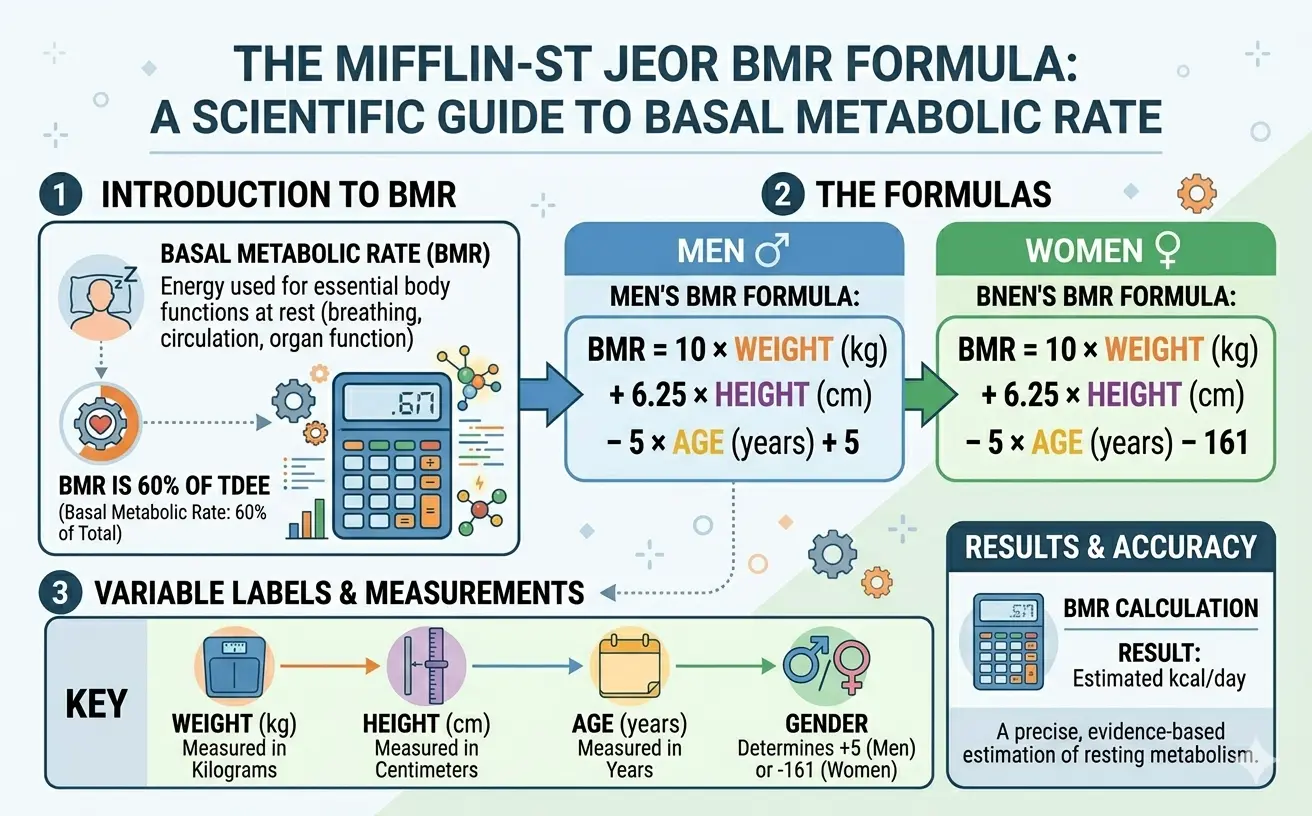
This is a realistic, sustainable pace. Gaining muscle takes time. Anyone promising you can add 5 kilograms of pure muscle in a month is either misinformed or selling something. For the science behind the maintenance calorie calculation itself, read our deep dive on the Mifflin-St Jeor equation that powers the calculator.
Lean Bulk vs Dirty Bulk: What Is the Difference?
Not all bulking approaches are equal. Here are the two main strategies and their tradeoffs:
- Lean Bulk: A small surplus of 200 to 300 calories above maintenance. You gain muscle slowly but minimize fat gain. This approach requires patience and precise tracking. It is ideal if you want to stay relatively lean year-round.
- Dirty Bulk: A large surplus of 500 to 1,000 calories or more, often from any food source regardless of quality. You gain muscle faster, but also significantly more body fat. This approach often leads to a longer, more difficult cutting phase later.
For most people, a lean bulk is the smarter long-term strategy. A moderate surplus of 300 to 500 calories gives your body enough energy to build muscle without excessive fat gain. You will spend less time cutting later, and you will feel better throughout the process. If you want to understand how to set up a calorie deficit for the cutting phase, see our guide on safe calorie deficit for men and women.
Why Protein Matters as Much as Calories
Eating enough calories without enough protein is like filling your car with the wrong fuel. The engine might run, but it will not perform well. Here is why protein is non-negotiable for muscle gain:
- Muscle is made of protein: When you train, you create tiny tears in your muscle fibers. Your body repairs these tears using amino acids from dietary protein, making the muscle stronger and larger.
- Protein supports recovery: Adequate protein reduces muscle soreness and speeds up recovery between workouts, allowing you to train harder and more frequently.
- Protein is satiating: Eating enough protein helps control hunger, which is useful during a lean bulk when you are eating more but want to avoid overeating junk food.
- Protein has a higher thermic effect: Your body burns more calories digesting protein than it does digesting carbohydrates or fat, which helps keep your surplus from turning into excess body fat.
To find your personal protein target, use our daily protein intake calculator. As a general guideline, aim for 1.6 to 2.2 grams per kilogram of body weight per day, spread across three to five meals.
What to Eat During a Bulk
Your calorie surplus should come from nutrient-dense foods, not just empty calories. Here is how to structure your meals:
- Protein sources: Chicken breast, lean beef, fish, eggs, Greek yogurt, cottage cheese, tofu, lentils, and protein powder. Aim for 25 to 40 grams of protein per meal.
- Carbohydrates: Rice, potatoes, oats, whole grain bread, pasta, quinoa, and fruit. Carbohydrates fuel your workouts and replenish glycogen stores in your muscles.
- Healthy fats: Avocado, olive oil, nuts, seeds, and fatty fish. Fats support hormone production, including testosterone, which plays a key role in muscle growth.
- Vegetables: Do not neglect these just because you are bulking. Vegetables provide vitamins and minerals that support recovery and overall health.
If you struggle to eat enough, calorie-dense foods like nut butters, dried fruit, whole milk, and smoothies can help you reach your surplus without feeling overly full. For more on structuring your overall diet, read our complete guide on how many calories should I eat a day.
How to Track Your Bulking Progress
The scale is useful, but it does not tell the whole story. Here is what to track and how often:
- Body weight: Weigh yourself once per week, same day, same time, preferably in the morning after using the bathroom. Aim for a gain of 0.25 to 0.5 kg per week.
- Strength in the gym: Are your lifts going up? If you are consistently adding weight to the bar or doing more reps, you are building muscle, even if the scale moves slowly.
- Progress photos: Take front, side, and back photos every two weeks under the same lighting. Visual changes are often more revealing than scale weight.
- Body measurements: Measure your chest, arms, waist, and thighs every two weeks. Muscle gain shows up in expanding measurements.
- How your clothes fit: Are your shirts getting tighter in the chest and shoulders but not the waist? That is a good sign.
If after three to four weeks your lifts are not improving and your weight is not trending upward, you are not in a surplus. Add 100 to 200 calories per day and reassess. If your waist is expanding rapidly but your lifts are stagnant, you may be gaining fat too quickly — reduce your surplus slightly.
Frequently Asked Questions
Can I build muscle without a calorie surplus?
It is possible for beginners, people returning to training after a long break, and individuals with significant body fat to build some muscle while eating at maintenance or even in a slight deficit. This is called body recomposition. However, for most people, especially intermediate and advanced lifters, a calorie surplus is necessary to consistently build new muscle tissue.
How long should I bulk for?
A typical bulking phase lasts three to six months. This gives your body enough time to build noticeable muscle. Bulking for less than three months often does not produce significant results. Bulking for more than six months may lead to excessive fat gain. Many lifters cycle between bulking and cutting phases throughout the year.
Will I gain fat during a bulk?
Some fat gain is nearly inevitable during a bulk, but a lean bulk with a modest 300-calorie surplus minimizes it. If you are gaining more than 0.5 kg per week, a significant portion of that is likely fat rather than muscle. Reduce your surplus slightly and monitor for two weeks before adjusting again.
Should I do cardio while bulking?
Yes, but keep it moderate. Two to three sessions of 20 to 30 minutes of light cardio per week supports heart health and can help manage fat gain without interfering with muscle growth. Avoid excessive endurance training, which can interfere with strength gains and increase your calorie needs significantly.
Do I need supplements to build muscle?
No. Supplements can help, but they are not required. Protein powder is convenient for hitting your daily target. Creatine monohydrate is well-researched and can improve strength and muscle gain. But the foundation of muscle growth is consistent training, adequate calories, and sufficient protein from whole foods. No supplement replaces those three things.
Related Guides: Build Your Complete Muscle Gain Plan
Combine this guide with our other resources to optimize your bulking strategy:
- How Many Calories Should I Eat a Day? — The complete beginner's guide to understanding your daily calorie needs.
- Calorie Calculator for Weight Loss — How to set up your deficit for the cutting phase after your bulk.
- Activity Level Multipliers Explained — How to choose the right TDEE factor for accurate results.
- Calories Per Day to Lose Weight: Safe Deficit Guide — How to cut after your bulk while preserving muscle.
Start Your Muscle Gain Journey Today
You now know what a calorie surplus is, how much to eat, and why protein matters as much as total calories. The next step is to get your personal numbers. Use our free calorie intake calculator to find your maintenance calories, add your surplus, and start your bulk today. No sign-up, no cost, instant results.